



Garmin Fenix 9 Pro: one-minute review
When the Fenix 8 finally dropped in 2024, it quickly earned a reputation as the best Garmin GPS watch money can buy, even if that meant parting with a lot of money. I gave it a thorough test on the 11-day trek to Everest Base Camp, and with Garminâs full suite of training features, a bright AMOLED display, microphone and speaker, plus an LED torch, there was no doubt that it was a big step up from the hugely popular Fenix 7.
Last year, Garmin followed the Garmin Fenix 8 up with the Garmin Fenix 8 Pro, which took the winning formula and added built-in LTE cellular and inReach satellite connectivity for phone-free messaging and SOS alerts. I tested it at the Love Trails running festival this summer, and genuinely started to doubt the rumours that a Fenix 9 could really be imminent. What more could there possibly be to add?
I went along to the Fenix 9 release in Chamonix to find out, and immediately afterwards I strapped the Fenix 9 Pro on and hit the trail. It hasnât been off my wrist since, and between its refined design, faster processing, plus some very fun new navigation and tracking features, I can say itâs a clear improvement over the Fenix 8.
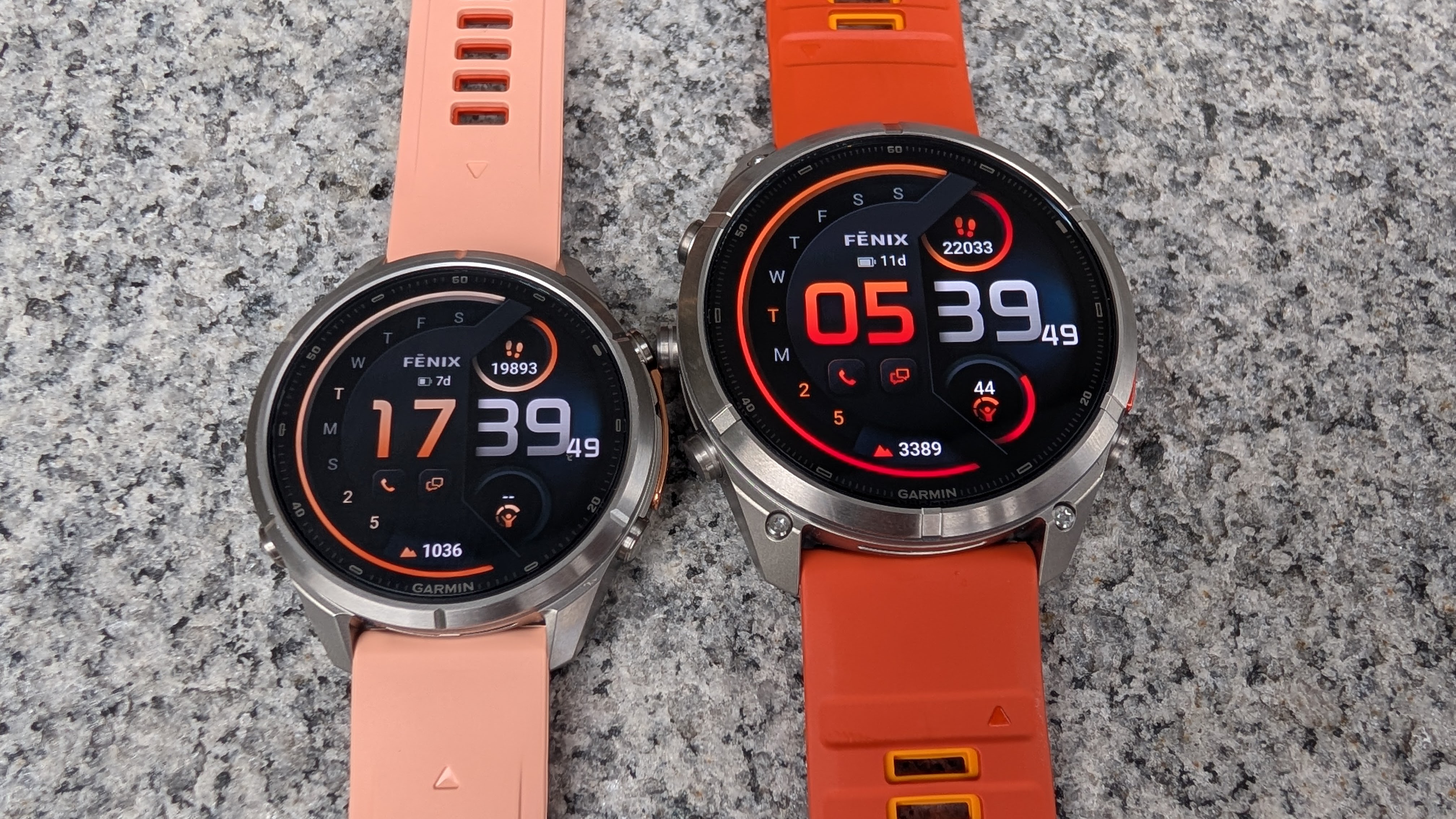
Built with a titanium case and bezel, the 9 Pro is lighter, more durable and resistant to the elements. Side-by-side with my 8 Pro, it looks nicer and more expensive thanks to a nanomoulding construction process that produces a more streamlined build without the need for screws. This also makes it significantly thinner, in all sizes, and with the arrival of a 43mm case option (which Iâm testing), itâs more wearable day-to-day than its predecessor.
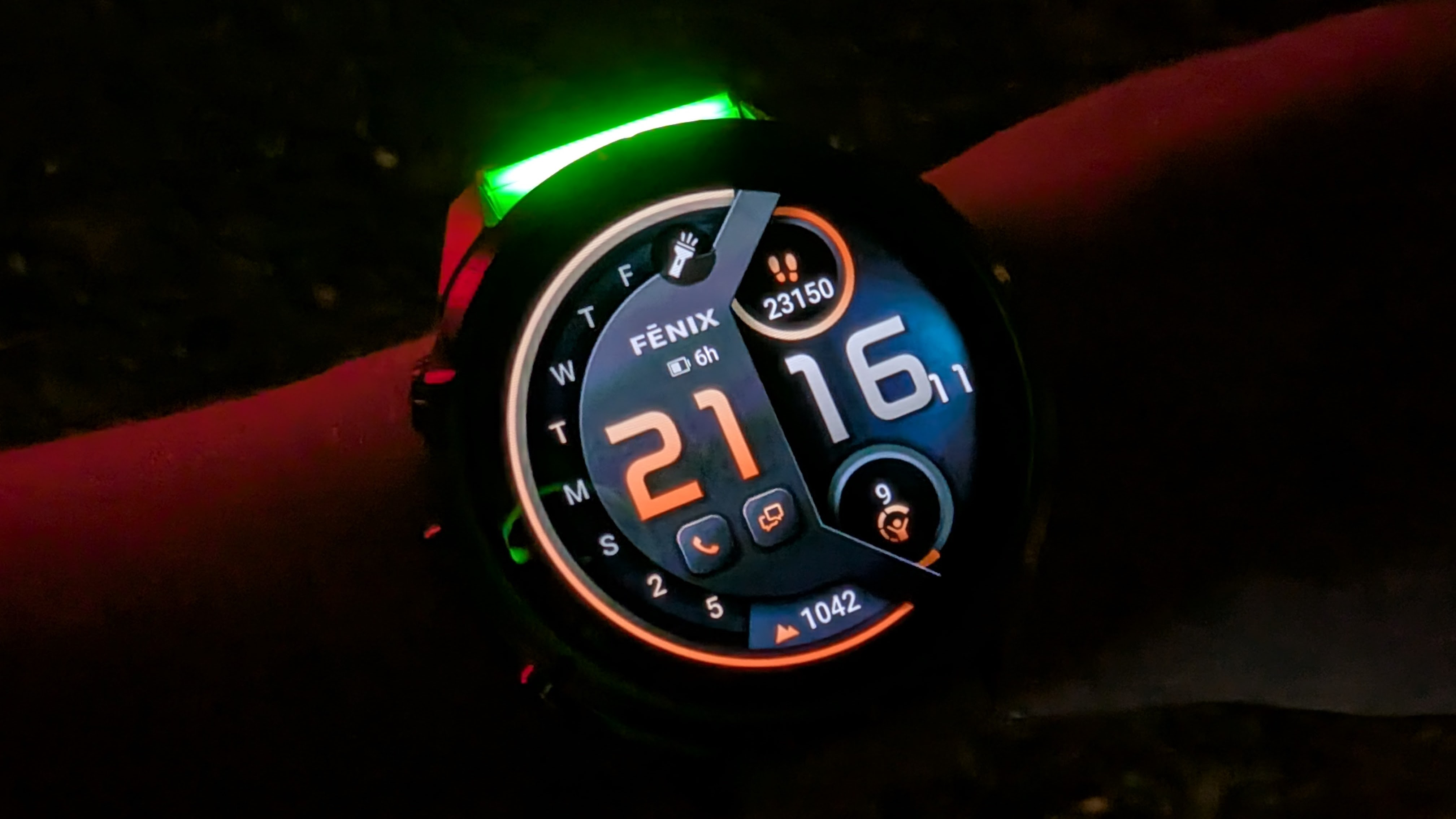
The 3,000-nit AMOLED display is brighter, sure (although not as bright as the 8 Proâs MicroLED option), but itâs more the improved clarity that I find myself appreciating. The green light option thatâs been added to the LED torch makes a fantastic difference to my night vision, whether Iâm out late on the trail or trying to make a cup of tea in the middle of the night without disturbing my entire household.
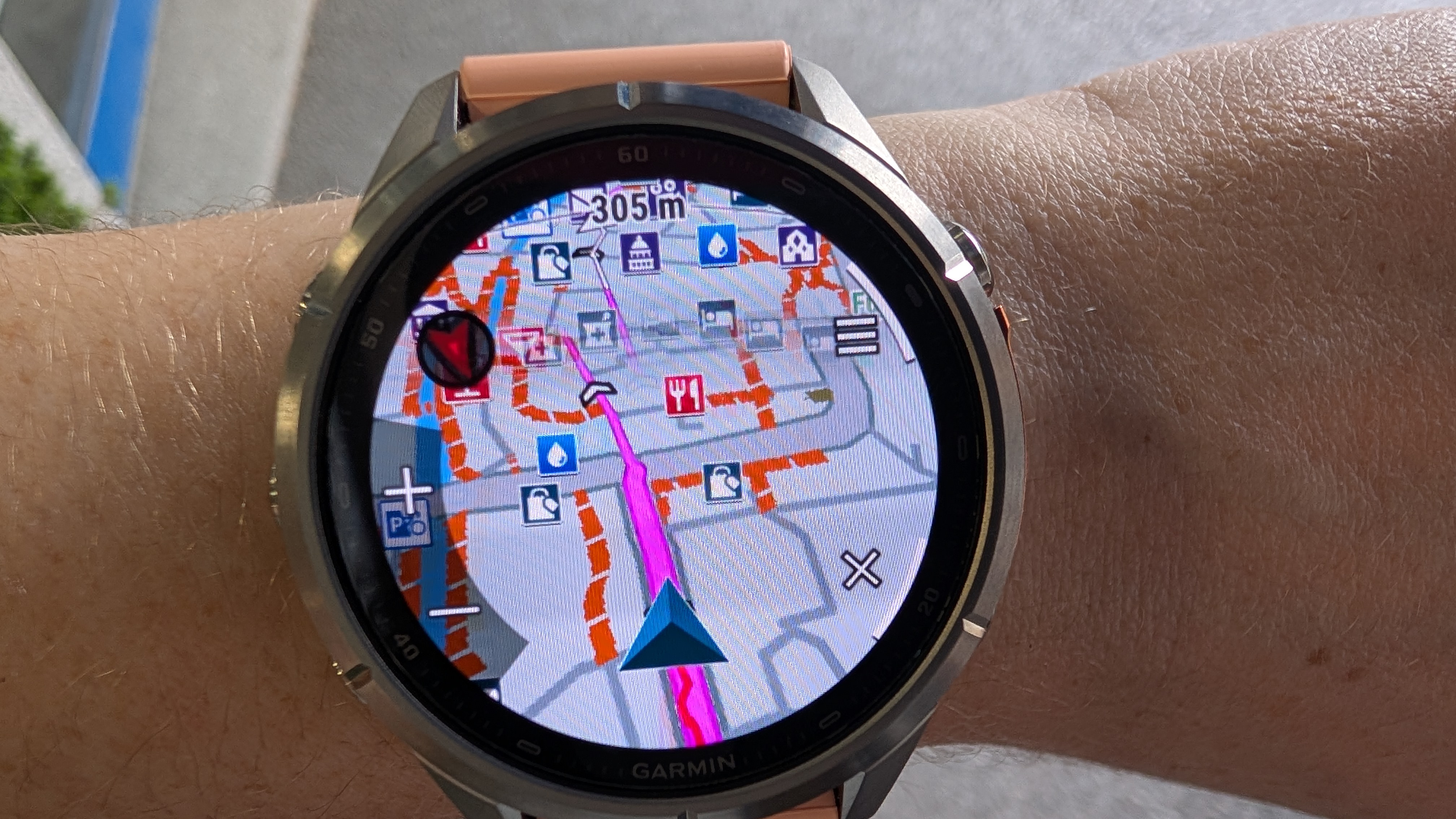
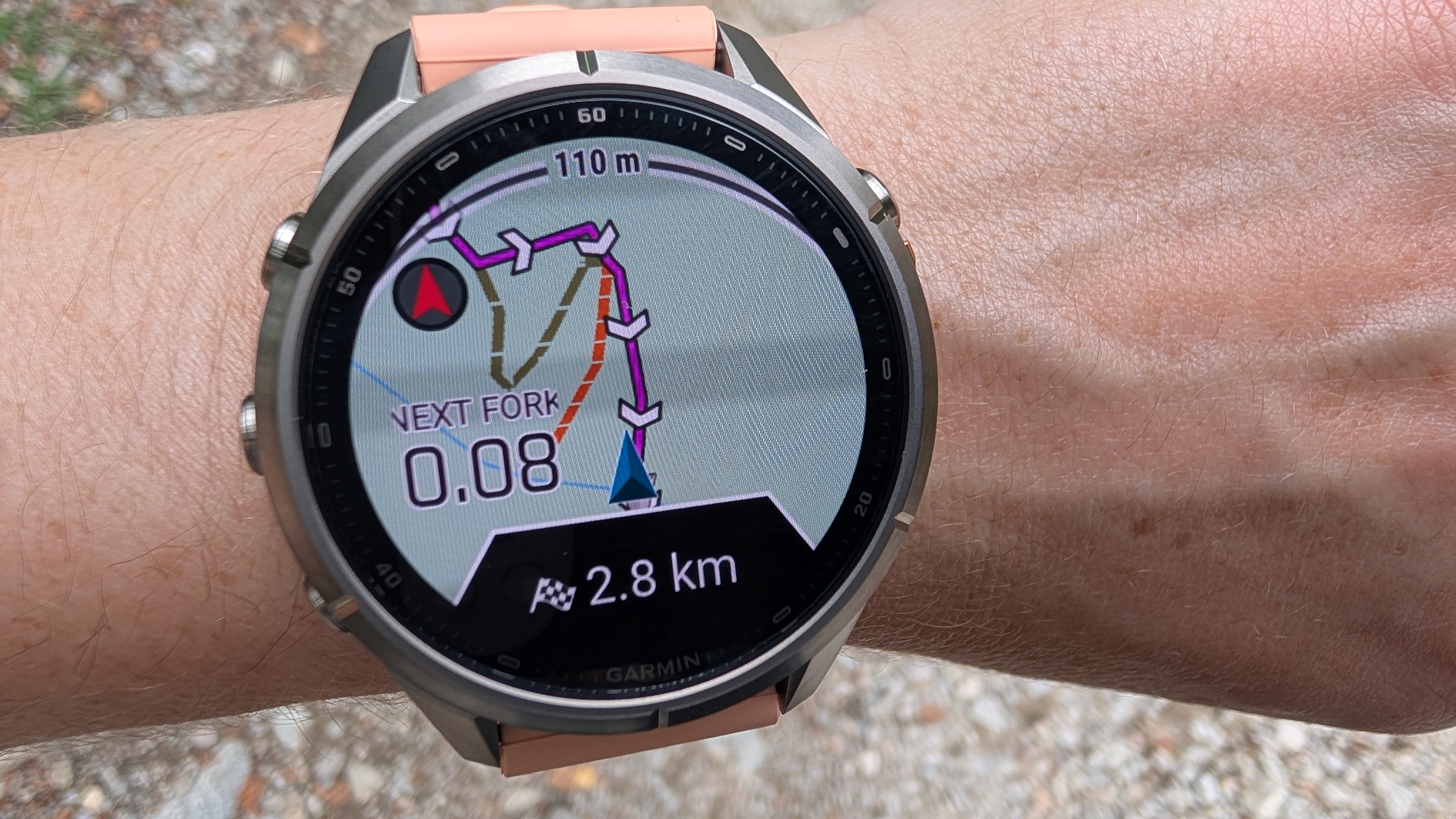
Garmin is already the industry leader in maps, and the Fenix 9 Pro map loads faster and adds a new Perspective orientation, which I think is useful when navigating in urban areas, and itâs more useful to be able to see what side streets and road junctions are up ahead.
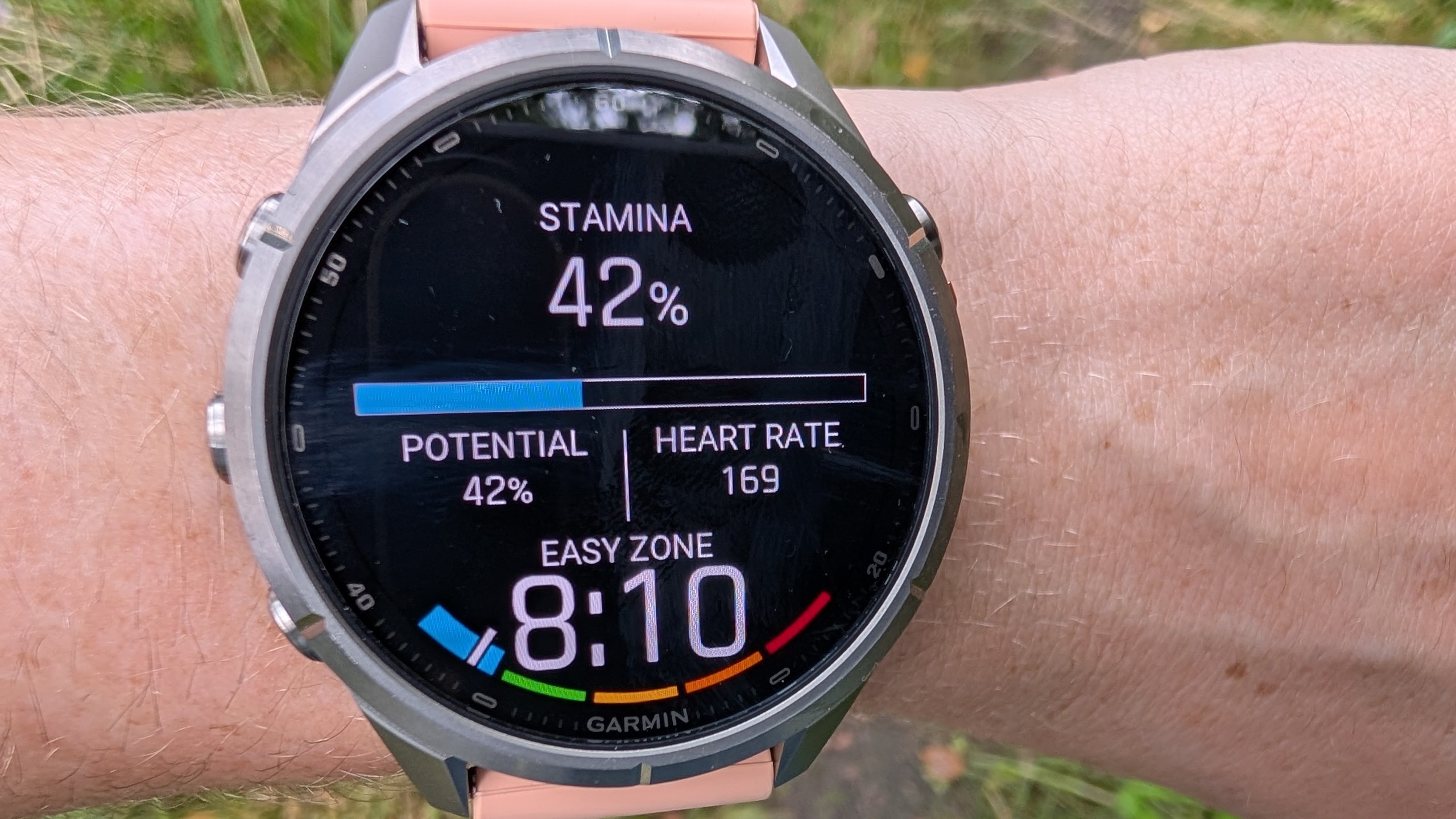
Rolled out with the Fenix 9 are improved Stamina readings, including new Stamina Zones, which Iâve started using to help me manage my effort and pace when Iâm on the trail. Brand new is the Garmin Epic feature, which essentially lets you group workouts such as training blocks, long-distance treks or adventure holidays so you can see their cumulative effect. There are also updates to the Rucking activity mode, so it now reflects the additional energy demands of your pack weight.
Like the Fenix 8 Pro, this watch boasts LTE-M cellular technology, which means I can easily respond to messages and phone calls from my wrist so long as my phone is nearby. There are some improvements to LiveTrack and Location Tracking, which are useful for both urban explorers and long bouts in the wild.
For hikers like myself, inReach satellite connectivity means I can reach emergency response from almost anywhere on the planet, and it does mean I can message friends and family when Iâm offline; however, thatâs only through the Garmin Messenger app. When I spoke to Garminâs Global Lead Product Manager Jon Hosler in Chamonix, he admitted that the brandâs functionality here does lag a bit behind competitors like Apple, which have more control over the cellular ecosystem, but he also stressed that the Fenix remains a performance watch first and foremost.
In summary, the Fenix 9 Pro plants a flag firmly at the GPS watch summit as a top-of-the-line option. Itâs brighter, faster, ludicrously well-featured, and, unsurprisingly, even pricier. All of that said, this shouldnât be considered a realistic upgrade for Fenix 8 users, who are already sporting a fantastic timepiece. But compared to anything before the 8, itâs better by a country mile.
Garmin Fenix 9 Pro: specifications
|
Component |
Garmin Fenix 9 Pro (model tested: 43mm with inReach) |
|
Price |
From $1,099.99 / £949.99 / AU$1,749 |
|
Dimension |
43 x 43 x 13.3 mm |
|
Weight |
62 g (case only: 45 g) |
|
Case/bezel |
Titanium |
|
Display |
416 x 416 pixels, AMOLED (up to 3,000 nits) |
|
GPS |
GPS+Beidou+Glonass+Galileo+QZSS |
|
Battery life |
10 days (18 hours in activity mode, up to 50 hours in Max battery mode) |
|
Connection |
LTE, Satellite, Bluetooth, ANT+, Wi-Fi |
|
Water resistant? |
Yes, 10ATM |
Garmin Fenix 9 Pro: price and availability
- Starts at £949.99 for smallest 43mm
- Prices for Fenix 9 start at £859.99
- Reaches up to £1,209.99
The Fenix 9 Pro starts at $1,099.99 / £949.99 / AU$1,749 for the 43mm case size without inReach connectivity. With inReach, pricing starts at $1,199.99 / £1,029.99 / AU$1,899. The Fenix 9 Pro Solar is the same price, while the regular Fenix 9, which has a fibre-reinforced polymer case instead of titanium, starts at $999.99 / £859.99 / AU$1,599, and thatâs for both the 43mm and 47mm.
The largest and most expensive 51mm Fenix 9 Pro with inReach is priced at $1,399.99 / £1,209.99 / AU$2199, and for that you get yourself a considerable increase in battery life with up to 31 days in smartwatch mode / 56 hours in activity mode compared to 10 days / 18 hours in the 43mm watch.
If youâre looking at a model with satellite technology, youâll also need to factor in the cost of an inReach subscription if you actually want to use it (which starts at £7.99 / $7.99 a month), and all in, it definitely prices a lot of people out.
But the high price shouldnât come as a surprise for anyone familiar with Garmin Fenix watches, and itâs hard to criticize it on being a high-performing piece of tech made with premium materials. There are plenty of other great options out there right now, including the Fenix 8, which youâre likely to find at a discount now that the Fenix 9 has been unleashed.
- Value score: 4/5
Garmin Fenix 9 Pro: design
- Titanium case and bezel
- Slimmer design
- Brighter AMOLED display
I tend to feel a bit indifferent to changes in materials in my GPS watches, but I have to admit that the titanium case and bezel on the Fenix 9 Pro do make this look and feel like the expensive watch that it is. Itâs sleeker and less rugged, down to both the materials and the nanomoulding process, which removes the need for screws.
Itâs not totally fair to do a side-by-side comparison with the Fenix 8 Pro here because the latter isnât available in 43mm, and that accounts for some of the 15g weight difference (equalling an almost 25% increase), but suffice to say that my Fenix 9 Pro is considerably lighter and thinner (to the tune of 16%, according to Garmin), and it has a less sporty aesthetic, which for me is a huge upgrade. If Iâm being honest, this is the first Garmin watch Iâve tested that Iâm happy wearing all of the time, though I might take it off to go to a wedding.
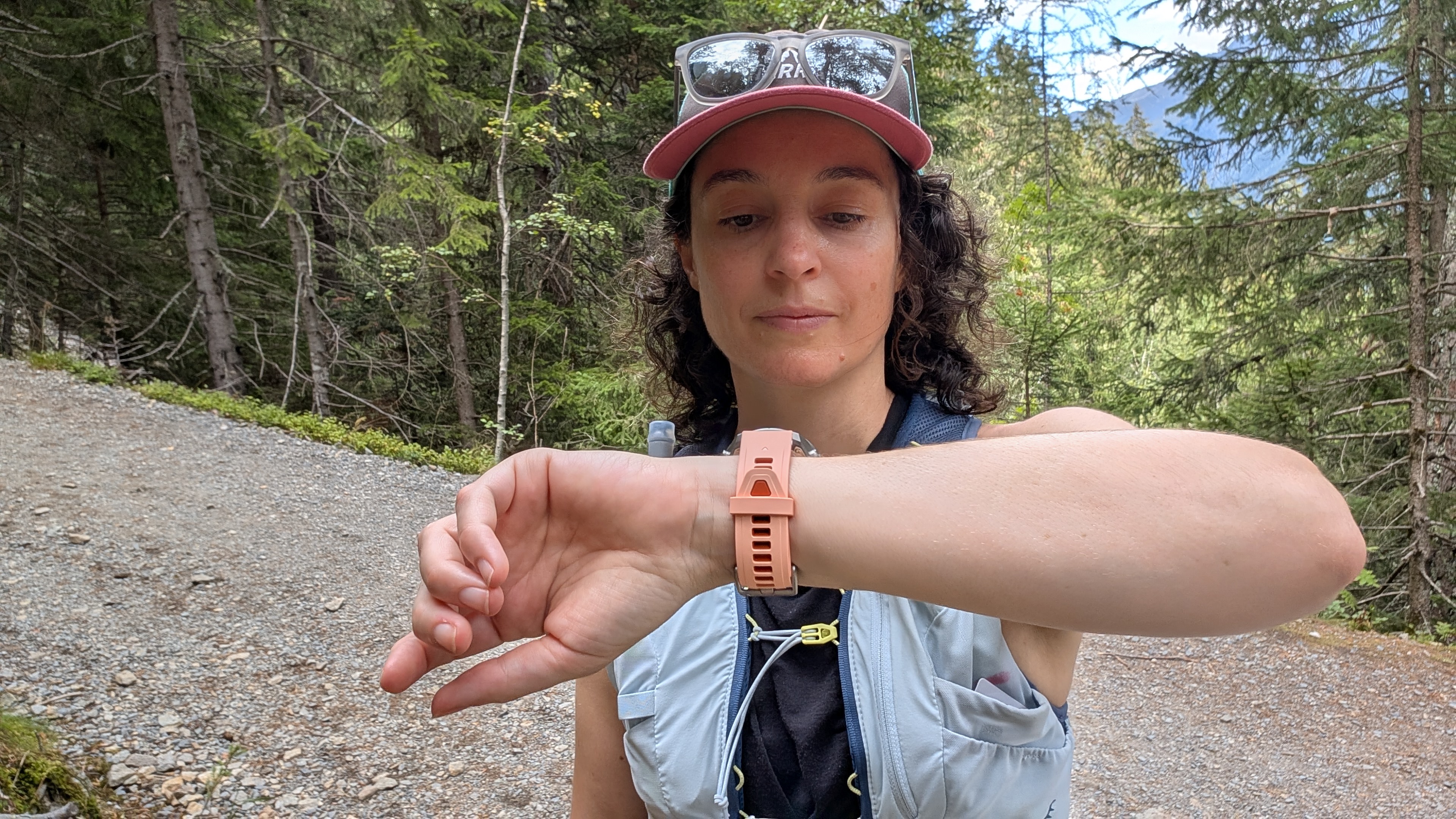
The AMOLED display is brighter than both my Fenix 8 and 8 Pro models, while the new, more subdued colour scheme is a bit more sophisticated, and itâs all a little sharper whether Iâm looking at the stats of a run or using maps to navigate. Iâm also amazed at how accurate the touchscreen keyboard is for typing out text messages, even on the smallest display available.
Other than that, everything will feel familiar to existing Fenix users, including the five-button setup, intuitive widget-based layout and responsive touchscreen (that is sometimes a little too responsive, pulling up the weather forecast when Iâm in the shower). Iâve finally taken the time to add a bunch of widgets that I use frequently to my quick list, such as my endurance score and recovery estimates, last activity, moon phases and tides, so itâs ready to go before I even leave the house.
Youâll need the enormously comprehensive Garmin Connect app to view your metrics, and the slightly clunkier Garmin Messenger app if you want to use satellite technology for messaging, and if I were to pinpoint a weakness, Iâd say itâs a shame that these two arenât yet integrated into one app.
- Design score: 4.5/5
Garmin Fenix 9 Pro: features
- Updated build
- Better maps and LED torch
- New training and adventure tools
First up, maps have been updated, and according to Garmin, they render 40% faster than on the 8 Pro and pan 30% faster when youâre searching for something up ahead. Thereâs a new perspective view added to the map orientation, which you can enable to better see whatâs up ahead.
Also new are Stamina Zones, which use heart rate, pace and speed, and Hosler explains that they can be more useful than Heart Rate Zones for managing your effort. Iâve added them to the data screens in different activity modes, so I can see what zone Iâm in and how much of my potential stamina Iâm using. Itâs more obvious in interval training, where I can see my zones dip and rise, but even on long plods itâs an interesting way to see how much gas I might have left in the tank at a current pace.
After an activity, I can view the top contributors to my Endurance Score (hiking for me), and see estimates of how long I should be able to run at a given pace: apparently over seven hours at my easy pace and nearly 20 minutes at max effort, which Iâm yet to put to the test.
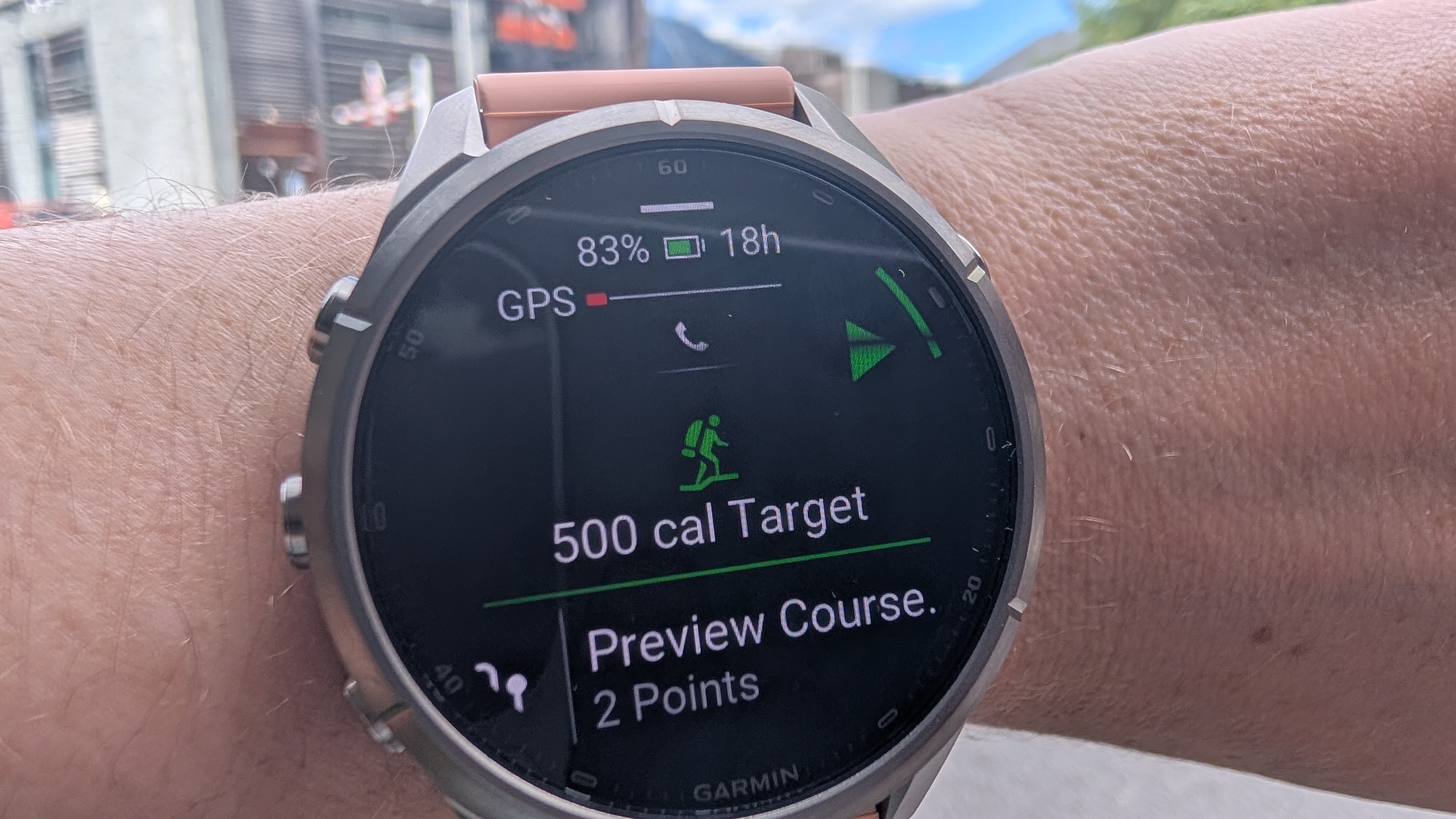
Garminâs commitment to upgrading Rucking mode in recent years signals that this is an activity in ascendancy, and it now calculates better estimates of your energy expenditure rather than just being a way to catalogue different activities. The Fenix 9 allows you to set a calorie goal rather than distance or time, and to edit your pack weight mid-activity, which Hosler explains gives ruckers more accurate readings when theyâre hiking uphill with water or rocks that they ditch for the descent. I often hike with a heavy pack, and now my activity report shows the difference between my calories burned through activity and the additional calories from the weight of my pack. This is mildly interesting, and could in theory change my fuelling strategy on a long thru hike.
A very fun â if non-essential â feature rolled out with the Fenix 9 and 9 Pro is called Garmin Epic, which lets you group workouts. When I heard about it in the press conference, I worried it might be similar to the gratuitous Adventure Journal in the Coros Nomad, but after testing it out, I genuinely love it. I gave it a quick test in Chamonix by grouping together all five hikes and trail runs I went on so I could see my cumulative distance, time on the trails and related health stats. But itâs also retrospective, so Iâve been able to make an Epic for last yearâs trek to Everest Base Camp and finally see that entire, unforgettable trip as one adventure, from the map of my entire 11-day route to my total elevation gain. I can share my Epic with friends and family, but I can see the demand for Garmin to develop this into a video that users can share on social media.
As for connectivity, I have an active inReach subscription, so Iâm able to signal for help from anywhere, but fortunately havenât had to do so yet. This feature does rely on the Garmin Messenger app, and most of my friends and family are not on there, so this is an area where the Fenix lags behind the Apple Watch Ultra 3. In our conversations, Hosler was clear that he doesnât consider this watch a true replacement for a satellite device like my Garmin inReach Mini 2, but more of a nice-to-have backup. LiveTrack has improved and now you can send a tracking link directly from your phone, which has good implications for urban runners as well as hikers.
And last but not least, Iâd be remiss if I didnât mention everyoneâs favourite feature: the upgraded LED torch, which was being heralded by elite trail runners like Katie Schide, Tom Evans and Elsey Davis in Chamonix, who all said this was among their top Garmin features.
The Fenix 9 and 9 Pro have both added a green light option, which is better for night vision, though perhaps not quite as kind to your significant other when youâre looking for your running socks at 5 a.m. It may not be a substitute for a headtorch on a night run, but when your torch runs out of batteries, youâll be glad you have your Garmin.
Add on to this all the features of the Fenix 8, and I canât imagine what else you could possibly want from your watch.
- Features score: 5/5
Garmin Fenix 9 Pro: performance
- Reliable sensors
- Lightning-fast maps
- Better night vision
The Garmin Fenix 9 Pro has all the same sensors as its predecessor, and after testing the two out on the same run, Iâm confident that the readings were all virtually identical (though Hosler did explain that GPS differences can be down to the two watches being on different wrists and pointing in different directions).
I prefer the smaller case size, but it does mean Iâm sacrificing battery life. My battery lost 17% during my first two-hour hike, which was a little shocking, but going forward Iâve been using Max Battery mode for longer sessions, which uses energy-saving measures and means a little less accuracy from GPS.
In the last 10 days, I did four short hikes and runs in Chamonix, two spin sessions, a pool swim, a long trail run, a short treadmill workout and a base run. I ran the battery all the way down, had to charge it once, and now itâs at 61%. In regular use, where Iâll typically have it in activity mode for at least 30 minutes a day, I expect to have to charge it once a week, and for a multi-day trek, Iâd expect to be charging it at least every other day. That said, if you compare the 51mm Fenix 9 Pro and 8 Pro side by side, the 9 Pro has a better battery life, so if youâre after endurance, size up.
The display is really easy to see in all light conditions, brilliant sunshine and torrential rain and is really responsive when I lift my wrist, although this naturally declines as the battery runs low.
I put maps to the test straight away in Chamonix, charting a course to a mountainside cafe on the Tour du Mont Blanc, and it all renders so quickly and smoothly I donât even really have to stop and think about it. Though I didnât find the perspective view that helpful on the trails, it was great for navigating through the busy streets of Chamonix, which often poses a challenge as my phone doesnât work well there. On my first test, I tried going off-course to see if the maps would reroute me and it didnât work, but Iâve since been able to chalk that up to Garmin rolling out the watch to the world at the very same time I was testing it, as when I got back to Scotland, I went out on a 12k trail run and found the rerouting to work perfectly.
he LTE connectivity means I can leave my phone in my backpack, and that is really quite refreshing. I did send my boyfriend a link to track me on my most recent trail run via Garmin Connect, and he was able to do so, if not with a fair amount of apathy. Iâve also sent some test messages to my few Garmin Messenger contacts; itâs easy to type directly on the watch, and the message sends in a flash.
I donât love wearing a watch to bed, but thanks to the slimmer design, Iâve been able to test out the sleep tracking, and itâs really accurate. My subsequent training Readiness scores and Recovery predictions have been pretty in line in accordance with how I feel.
Also at night, the green light function on the torch has quickly rendered my beloved red light nearly obsolete, making it easier than ever to creep around the house without bumping into things and even read a book in bed without turning my lamp on.
- Performance score: 5/5
Garmin Fenix 9 Pro: should I buy?
Buy it ifâ¦
Your adventures take you into the wild
The Fenix 9 Pro has all the field tools for a backcountry adventure, and the technology to help get you out of there if things go wrong.
Youâve been running on a Fenix older than the 8 for years
Even the fabulous Fenix 7 pales in comparison to this one.
Youâre a tech junkie with a big budget
All the best tech is on display here at an aspirational price.
Donât buy it ifâ¦
You have the Fenix 8
The Fenix 8 is a cracking watch, and while we admit this is an upgrade, we canât make a compelling case to switch
Youâre saving up for a down payment on a house
This watch comes with some serious sticker shock
Also consider
Apple Watch Ultra 3
The best Apple Watch for adventuring, with dive computer functionalities and a titanium body.
Read our full Apple Watch Ultra 3 review
How I tested
Iâve tested this watch from the French Alps to Scotland, over multiple hikes, trail runs and road runs, with a few indoor workouts on the bike, treadmill and in the pool thrown in. Iâve compared it with the Garmin Fenix 8 Pro and the Suunto Vertical 2 for good measure, and spent hours talking to Garmin experts and poring over the data in the watch and on the Garmin Connect app.